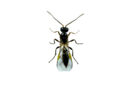
parasitic behavior: the female lays her eggs inside the immature whitefly nymphs, and upon hatching, the larvae consume the host from within. The larvae
This ladybird species consumes aphids at various life stages, including nymphs and adults. Adalia bipunctata 's feeding behaviour is characterized by its
transmit harmful viruses. Mealybugs inflict damage on the crop in various ways: nymphs and females extract the sap from the plant, stunting growth and causing
Trialeurodes vaporariorum ). The female wasp lays her eggs inside the whitefly nymphs, which are then consumed from the inside out by the developing larvae. The
be parasitized, including winged aphids. Parasitized fourth instar aphid nymphs and adult aphids will produce offspring for two more days, but if an aphid
Use Entofood as an alternative source of food for build-up and maintenance of Macrolophus pygmaeus populations in tomatoes in the beginning of the season and at low prey densities. Mode of action As M
Use Artefeed as an alternative source of food for maintenance of Macrolophus pygmaeus in tomatoes at low prey densities. Mode of action As Macrolophus pygmaeus needs a continuous food source to mainta
emerging from the eggs, the midge larvae start to feed on spider mite eggs, nymphs and adults. They use their mouthparts to first immobilise their prey and
slightly larger. The larvae of Amblyseius swirskii do not need to feed. The nymphs are larger than the larvae, have eight legs, and are a whitish yellow colour
, remain unchanged and unsorted. The young aphids are born as developed nymphs and begin to feed instantly on plant sap. They grow rapidly and moult four