feed on plant sap and grow rapidly. When reproduction is sexual, the aphids lay eggs that overwinter. In greenhouses reproduction also takes place by par
the Greenhouse Whitefly and the Bemisia Whitefly : Greenhouse Whiteflies: Lays eggs at the top of plants, eggs turn brown to black after a few days. Fourth [...] triangular appearance from above. Bemisia (Tobacco/Silverleaf) Whiteflies: Lay eggs all over the plants, eggs start off as yellowish green turning brown [...] this to capture as many whitefly adults as possible. This will reduce egg laying and whitefly movement in your growing space. Adjust the mass trapping rate
disrupting the photosynthesis process affecting yields), ovipositing (egg laying), and transferring plant viruses. Thrips eggs are deposited into the leaf [...] develop wings flying back onto the plants as an adult to start the feeding/egg laying portion of the life cycle again. Here you will get the best control with
egg, larva, protonymph, deutonymph and adult. After mating, female mites lay 4–8 eggs per day over a period of three days, taking a blood meal between
the adults are encouraged to emerge in order to copulate and consequently lay eggs, restarting the cycle again.
since the cold reduces or halts their development. Damage symptoms The female lays small quantities of eggs, between one and three, in the hairs of green ears
males and sexually-reproducing females are produced. After mating, the female lays her eggs on leaves, flowers and stems to overwinter and produce the next
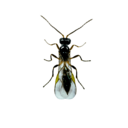
flies , at most only several millimetres long. When the adult females feed or lay eggs, they bore a hole using their toothed ovipositor, usually in the upper