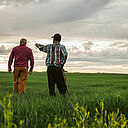
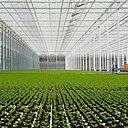
each field. This data-driven approach enhances overall crop health and productivity. Ultimately, crop scouting fosters sustainable agriculture practices
substances. Plant Health Products Embracing a systems approach for sustainable agriculture Recognizing the negative impacts of food production, growers are tra
For injection through Dosatron/Venturi systems, please contact your local Koppert representative for specific advice Spray the solution as soon as it is prepared [...] adjuvant and/or an anti-desiccant/humectant can be beneficial. Ask your Koppert representative/distributor for more information Spray in the evening (or
General The cabbage moth (Mamestra brassicae) is a highly polyphagous defoliator. Besides being a major cabbage pest, it feeds on 70 plants of 22 families, among them crops such as sweet pepper, tomat
than honeybees Production of bumblebees The natural life cycle of the bumblebee is copied under laboratory conditions at our production facilities. In
General Click beetles are elongate beetles with a hard exoskeleton, with the head deeply retracted into the thorax. When disturbed they lie on their back feigning death and then suddenly propel themse
General The chafers are beetles of the Scarabaeidae family. The larvae of both species live in the soil and feed on the roots of many plants. They are a serious pest that can cause substantial damage.
General The diamond back moth (Plutella xylostella) belongs to the family of Plutellidae . It only attacks Brassicaceae species, including cruciferous weeds. The diamond back moth (Plutella xylostella
General The larvae of crane flies , called leatherjackets, live in the soil and feed on roots and shoots (which they pull into the ground of mainly grasses and cereal crops. The adults do not cause an