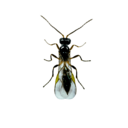
Doekes, G., Skov, P. S., Kjærstad, M. B., & Sigsgaard, T. (2007). Health effects of predatory beneficial mites and wasps in greenhouses . Danish Environmental
lower in the greenhouse. 13:00 Vertical placement will have a negative effect on the development of the hives. 10:00 1! Bumblebees need max. 2 hours
General Cutworms ( Agrotis spp.) are occurring worldwide. Important species are for instance the black cutworm Agrotis ipsilon and the turnip moth Agrotis segetum . The larvae of these moths usually f
General The codling moth ( Cydia pomonella ) is a notorious, worldwide pest of apple and also occasionally of pear, quince, peach and other fruits. It is very common in Europe. Damage symptoms After i
rearing, mass production, packaging and transportation of this increasingly effective solution for biocontrol of specific pest infestations. In recent years [...] that we are continuously working with new technologies for the safe and effective distribution of our biocontrol agents over large tracts of land,’ De Groot
General The mottled arum aphid, Neomyzus circumflexus , has a cosmopolitan distribution and a wide host range. In temperate climates it is primarily a pest in greenhouses where it attacks many ornamen
General Since the start of its invasion in 2008/2009, the spotted wing drosophila, which is originally from Asia, has spread extensively in North and South America and Europe where it has caused sever
General Although it was first described in 1860, the cannabis aphid ( Phorodon cannabis ; a.k.a. bhang aphid or hemp aphid) is a very new pest to North America. It was first seen on cuttings originati
General The cabbage moth (Mamestra brassicae) is a highly polyphagous defoliator. Besides being a major cabbage pest, it feeds on 70 plants of 22 families, among them crops such as sweet pepper, tomat
General The lygus bug (or tarnished plant bug) is native to North America, and it is especially common across the eastern half of the continent, from northern Canada to southern Mexico. It is one of t