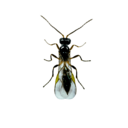
Biological control of aphids Aphids are among the most harmful pests in greenhouse and field crops, causing plant stress, virus transmission and yield loss. Effective aphid control is essential for ma
General The tobacco aphid ( Myzus persicae subsp. nicotianae ) probably evolved from the peach potato aphid in the Far East and is a key pest of tobacco crops in both the United States and South Ameri
Thrips are one of the most challenging pests in horticulture and agriculture, causing both direct and indirect damage to a wide range of crops. Their ability to reproduce rapidly, damage plant tissue,
Pests Larvae of various species of thrips (first and second larval stages); eggs and larvae of greenhouse whitefly ( Trialeurodes vaporariorum ) and tobacco whitefly ( Bemisia tabaci ). Crops Do not u
Integrated pest management in strawberry Integrated pest management (IPM) plays a crucial role in ensuring the health and productivity of strawberry crops due to the presence of various pests and dise
Integrated Pest Management (IPM) in cucumber crops Integrated pest management ( IPM ) is of importance in cucumber cultivation, to ensure the health and productivity of cucumber crops. Cucumbers are e
Integrated pest management in blueberry Integrated pest management (IPM) plays a vital role in blueberry crop protection , addressing the numerous pests and diseases that can impact the health and pro
Integrated Pest Management (IPM) in tomato crops Integrated Pest Management (IPM) is of importance in tomato cultivation. Tomatoes are exceptionally susceptible to a range of formidable pests, includi
Ulti-Mite represents a significant advancement in the packaging of predatory mites , designed to enhance biological pest control across a wide range of crops. In 2016, we introduced this groundbreakin
Predatory bugs Predatory bugs are beneficial insects crucial for natural pest control in agriculture. Equipped with piercing mouthparts, they actively hunt and feed on various harmful pests, helping t