below 60%. Combined use Can be combined with Orius spp. and whitefly parasitoids. Do not combine with other generalist predatory mites ( Neoseiulus cucumeris
Koppert advisor. Combined use Can be combined with Orius spp. and whitefly parasitoids. Do not combine with other generalist predatory mites ( Amblyseius swirskii
Whitefly pupae parasitized by Eretmocerus eremicus turn yellow, the adult parasitoid wasp can be seen clearly within the parasitized whitefly pupae shortly
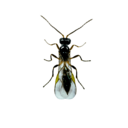
parasitic wasp Aphidius matricariae Aphidius matricariae is a notable parasitoid wasp with a distinctive feeding behavior that targets aphids . After the
(IPM) in cannabis cultivation. It involves the use of natural predators, parasitoids, or beneficial organisms to manage pest populations. Some of the common
dwelling phases . Two common parasitoids , Synacra paupera (fungus gnat parasitoid) and Hexacola neoscatellae (Shore fly parasitoid) both can show up naturally
The egg is 0.08 mm long and 0.03 mm wide. About halfway through the parasitoid’s development, the host pupa turns black. Parasitized pupae are thus easily
Behaviour of the parasitic wasp Diglyphus isaea Diglyphus isaea is a parasitoid wasp renowned for its role in controlling leafminer pests, particularly
adaptability, and ability to establish long-term presence in crops. Unlike parasitoids, predatory mites can remain active throughout the season, even under