Rediscovering natural approaches to plant health Embracing biological pest control Over the years, biological pest control has proven effective in managing pests without the drawbacks of chemical pest
Predatory bugs Predatory bugs are beneficial insects crucial for natural pest control in agriculture. Equipped with piercing mouthparts, they actively hunt and feed on various harmful pests, helping t
What is biological disease control? Biological control of plant diseases is a method used to manage and reduce the impact of plant diseases by utilizing beneficial organisms. This method relies on the
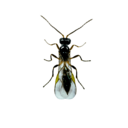
Benefits of parasitic wasps Using parasitic wasps for pest control offers a range of benefits: Enhanced crop protection : Parasitic wasps are highly efficient at targeting specific pest insects. By in
Amblyseius andersoni is a species of predatory mite and is used for biological pest control in horticulture and agriculture. These predatory mites are natural enemies of various pests like thrips , wh
Beneficial nematodes species Several species of beneficial nematodes are commonly used in biological pest control . These nematodes play a vital role in managing insect pests and are considered benefi
What is IPM? Integrated Pest Management, often referred to as IPM, is a sustainable and environmentally responsible approach to pest management. It employs a combination of strategies to prevent and c
What are beneficial microorganisms? Beneficial microorganisms, also known as beneficial microbes, are microorganisms that provide positive effects to their environment, including various biological sy
Understanding crop monitoring and scouting In the world of agriculture and horticulture, the phrase "knowledge is power" couldn't be truer. Crop monitoring and scouting are crucial practices that can
Biocontrol explained Biological pest control, often referred to as biocontrol, is a method of managing pests using natural predators, parasitoids, or pathogens. This approach partners with nature to m