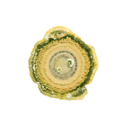
Akanthomyces muscarius ( formerly called Lecanicillium muscarium ) is a species of beneficial fungi commonly used in biological pest control . This fungus is known for its effectiveness in controlling
Rediscovering natural approaches to plant health Embracing biological pest control Over the years, biological pest control has proven effective in managing pests without the drawbacks of chemical pest
Amblyseius andersoni is a species of predatory mite and is used for biological pest control in horticulture and agriculture. These predatory mites are natural enemies of various pests like thrips , wh
What is IPM? Integrated Pest Management, often referred to as IPM, is a sustainable and environmentally responsible approach to pest management. It employs a combination of strategies to prevent and c
The predatory mite Stratiolaelaps scimitus is also known under the scientific name Hypoaspis miles . It is a soil-dwelling predatory mite occurring naturally in several parts of the world. This predat
The predatory mite Neoseiulus cucumeris (also called Amblyseius cucumeris ) is widely used for the biological control of thrips in greenhouse crops. These predatory mites feed mostly on first instar t
The predatory mite Phytoseiulus persimilis is by far the most important natural enemy of Two-spotted spider mite (Tetranychus urticae) and has been used in many crops worldwide, mainly in greenhouses,
Amblydromalus limonicus is a species of predatory mite known for its role in biological pest control . Amblydromalus limonicus is a natural enemy of various pests like thrips and whitefly . These pred