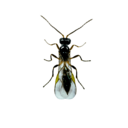
General Since the start of its invasion in 2008/2009, the spotted wing drosophila, which is originally from Asia, has spread extensively in North and South America and Europe where it has caused sever
General The western flower thrips (Frankliniella occidentalis) is currently the most damaging thrips species in many greenhouse crops. The western flower thrips (Frankliniella occidentalis) can be fou
General The cabbage leafroller (Clepsis spectrana) is native to North-West Europe. It is a highly polyphagous species causing damage to field grown cabbage, apple, pear as well as maple, popular, spru
or twice, or until control is achieved. Consult a Koppert advisor or a recognized distributor of Koppert products for advice on the best strategy for your
reducing the need for traditional chemical methods. "In collaboration with Koppert, I see opportunities to adapt my farm to a future where chemical methods
General The cabbage moth (Mamestra brassicae) is a highly polyphagous defoliator. Besides being a major cabbage pest, it feeds on 70 plants of 22 families, among them crops such as sweet pepper, tomat
General The larvae of crane flies , called leatherjackets, live in the soil and feed on roots and shoots (which they pull into the ground of mainly grasses and cereal crops. The adults do not cause an
General The onion thrips (Thrips tabaci) is distributed throughout the world. It is found outdoors on many plants and particularly damaging on onions, leek, and in greenhouses on cucurbits, tomato, sw
General The diamond back moth (Plutella xylostella) belongs to the family of Plutellidae . It only attacks Brassicaceae species, including cruciferous weeds. The diamond back moth (Plutella xylostella