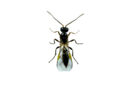
aphids and spider mites . Gall midges have a unique and interesting life cycle that contributes to their effectiveness as biological control agents. Female
strategy for your situation Timing Apply as early as possible in the crop cycle. Environmental conditions Trianum-G performs well under different environmental
helps maintain balance and reduce the reliance on chemical pesticides. Life cycle and appearance of Encarsia formosa The development of E. formosa consists
secretions, the parasite will not readily enter very dense aphid colonies. Life cycle and appearance of Aphidius colemani Female Aphidius spp. deposit an egg in
nutritional condition of the predator, as well as the size of the prey. Life cycle of Aphidoletes aphidimyza Growers can recognize the different life stages
synchronize the opening of bumblebee hives with the energy screen and daylight cycle, allowing the bees to fly only when there is sufficient daylight (e.g., between
feed on thrips larvae, suppressing populations early in the pest’s life cycle. Integrating these natural enemies into IPM programs reduces pesticide reliance
not feed on leafminers but sustains itself on nectar and honeydew. Life cycle and appearance of Diglyphus isaea Because Diglyphus isaea is an ectoparasite
agent. The adults are not predatory and only need water and sugar. Life cycle of Feltiella acarisuga Growers can distinguish between the various life stages
absence of food, remaining in the crop to await the arrival of new prey. Life cycle of Neoseiulus californicus The developmental stages are the same as for other