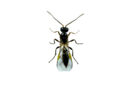
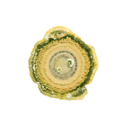
General The tomato russet mite (Aculops lycopersici , also referred to as Vasates lycopersici, Vasates destructor and Phyllocoptes destructor in older publications) belongs to the family Eriophyidae.
General Pseudococcus longispinus occurs naturally in tropical and sub-tropical regions, but these days it is widespread throughout the world. The range of host plants of Pseudococcus longispinus is le
General The glasshouse potato aphid ( Aulacorthum solani) is a native European species of aphids , seriously affecting crops of sweet pepper in particular. These aphids further affect ornamental crops
General The greenhouse whitefly ( Trialeurodes vaporariorum ) is one of the major pests of vegetable and ornamental crops in greenhouses throughout the world. The greenhouse whitefly ( Trialeurodes va
Timing of Introduction: Determine whether to introduce parasitic wasps preventatively or once the first whiteflies appear on monitoring cards (the choice [...] low and whitefly pressure is high: remove leaves from the greenhouse to prevent whitefly adults from hatching back out into the crop. When you have Bemisia
Biological control of caterpillars Caterpillars are highly destructive pests that feed on leaves, stems and fruits, causing serious damage to greenhouse and field crops. Their feeding reduces photosyn
General The buckthorn- potato aphid , Aphis nasturtii , has a nearly cosmopolitan distribution and is a major pest of potatoes, where it also transmits viruses. It also attacks a large number of other
Overview The corn earworm is a major pest affecting over 100 crops, of which the most prominent varieties are corn, sorghum, cotton, aubergine, pepper, and tomato. They primarily feed on flowers and f
General The black bean aphid, Aphis fabae , is widespread in temperate regions, where it is a serious economic pest of beans. It is highly polyphagous, and attacks a wide range of other crops. Damage
Biological control of mealybugs and scales Mealybugs and scale insects are persistent pests that feed on plant sap, weakening crops and producing honeydew that leads to sooty mould. Infestations reduc