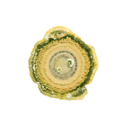
General The only known stage in all Alternaria species is the asexual stage. Conidia and mycelium overwinter in the soil and on crop residues and cause primary infection of the leaves. Survival can be
General Pseudoperonospora cubensis is a plant pathogen causing downy mildew on cucurbit crops like cucumber, cantaloupe, pumpkin, watermelon and squash. Damage symptoms Downy mildew pathogens infect m
General Rhizobium bacteria are soil bacteria that fix nitrogen after becoming established inside root nodules of legumes. Additionally, pathogenic Agrobacterium s pecies have recently been assigned to
General Sclerotinia sclerotiorum, also known as cottony soft root, is a plant pathogenic fungus. It has a very wide range of host plants. Damage symptoms The first symptoms of a cottony soft root ( Sc
General Powdery mildew is a fungal disease that is caused by many different species of fungi such as Erysiphe, Podosphaera, Oïdium, Leveillula. Damage symptoms Powdery mildew symptoms are fairly simil
typically range from 1-10 per m 2 /release. Releases should be repeated until control is achieved. At increasing temperatures it may be better to switch to the [...] 25°C (68 and 77°F). At a 24 hours average temperature below 17°C/63°F the control of whiteflies may be insufficient. Combined use En-Strip is best to be used
Amazone Plants uses a variety of beneficials to keep these pests under control. Consultant Wim van der Meer names them for us. Amazone Plants uses Macro-Mite [...] means that there is always a strong population in the greenhouse crop and control of the thrips is maintained at the right level. The method works fine in [...] success.’ Biological plant protection is so much better Amazone Plants controls aphids with a combination of the Aphipar parasitic wasp and the Aphidend
vital because it ensures the efficient fertilization of plants within a controlled environment, leading to increased crop yields, improved fruit set, enhanced
practices, including irrigation schedules, fertilization programs, and pest control strategies, to suit the unique requirements of each field. This data-driven