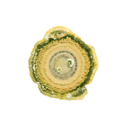
crops, like all others, are also affected by soil fungi that considerably reduce their productivity and profitability. To optimize the use of Trianum-P in
even during cool and wet weather conditions when honeybees may exhibit reduced activity. Bumblebees vs honeybees Outdoor crops pollination Short flowering
adaptability in varying environmental conditions and its efficiency in reducing whitefly infestations. Adults of this species do not feed on whiteflies
bipunctata 's feeding behaviour is characterized by its ability to rapidly reduce aphid numbers, making it a highly effective biological control agent in
Overheating if animals begin to bunch together (an avoidance strategy to reduce fly bites) when temperatures are high. Transmission of blood-borne pathogens
pollination . Various factors can disturb the health of the plant and thus also reduce the number of healthy flowers. Potential risks include water shortage,
maize, beans, tomatoes, strawberries, nursery seedlings, or other crops reduces their vitality and yield and sometimes kills the plants. Life cycle and
is most effective between 20 and 25°C (68 and 77°F). The effectivity is reduced at temperatures above 30°C/86°F. Behaviour of parasitic wasp Aphidius colemani
climate conditions, and chemical influences, can impact plant health and reduce the number of healthy flowers. Regular monitoring, appropriate care, and
lights The use of energy screens in artificially lit greenhouses can lead to reduced light levels, affecting bumblebee navigation. To counter this, synchronize