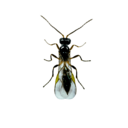
Biological control of mealybugs and scales Mealybugs and scale insects are persistent pests that feed on plant sap, weakening crops and producing honeydew that leads to sooty mould. Infestations reduc
Biological control of leaf miners Leaf miners are damaging pests that tunnel through leaves, reducing photosynthesis and weakening plant growth. Their feeding patterns cause visible leaf damage, lower
Biological control of caterpillars Caterpillars are highly destructive pests that feed on leaves, stems and fruits, causing serious damage to greenhouse and field crops. Their feeding reduces photosyn
Biological control of beetles Beetles can cause serious damage in many greenhouse and field crops by feeding on leaves, roots, or fruits, leading to reduced growth and yield loss. Effective beetle con
Biological control of aphids Aphids are among the most harmful pests in greenhouse and field crops, causing plant stress, virus transmission and yield loss. Effective aphid control is essential for ma
General Corn rootworms ( Diabrotica sp.) are a devastating pest of cultivated corn in North America, with losses and management expenditures totaling over 1 billion dollars. In Eastern Canada, the nor
General The yellow rose aphid , Rhodobium porosum , is probably of North American origin but is now widely distributed in Europe, North Africa, parts of Asia and South America. It attacks plants of th
General As the name implies, the European red mite, Panonychus ulmi , is mainly a pest of fruit trees (apple, pear, plum and cherry). However, it can attack a large scale of other woody plants and is
General The codling moth ( Cydia pomonella ) is a notorious, worldwide pest of apple and also occasionally of pear, quince, peach and other fruits. It is very common in Europe. Damage symptoms After i
General The larvae of crane flies , called leatherjackets, live in the soil and feed on roots and shoots (which they pull into the ground of mainly grasses and cereal crops. The adults do not cause an